In today’s business world, companies send employees across the globe more frequently than ever—meetings, trainings, projects, conferences, inspections, and last-minute operational trips. With this increase comes a serious responsibility that many organizations still underestimate:
Duty of Care.
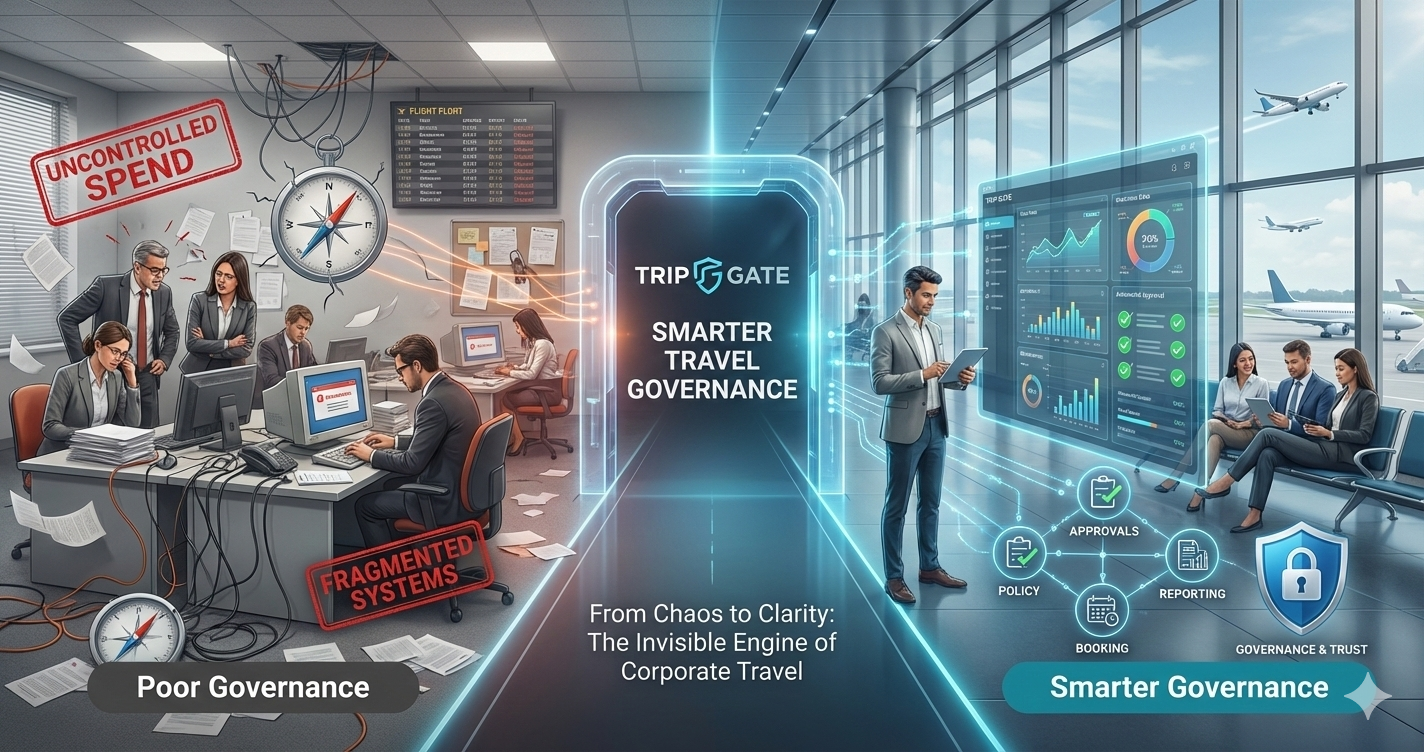
Duty of Care is more than a compliance requirement; it is a company’s legal and ethical obligation to protect its employees when they travel for work. Yet for many organizations, travel data is scattered, bookings are done across different channels, and real-time visibility is limited. This creates unnecessary risk—both for the traveler and for the company.
Modern centralized travel systems are changing this completely.
Platforms like Trip Gate make Duty of Care simpler, more reliable, and more proactive. By connecting flights, hotels, and transfers into one unified platform, businesses gain the visibility and control they need to keep their travelers safe at every step.
What Duty of Care Really Means in Business Travel
Duty of Care goes beyond emergency situations. It covers every aspect of employee safety during a business trip, including:
-
Choosing safe flight routes and reliable airlines
-
Staying in secure accommodations
-
Providing contact and support information
-
Maintaining communication during trips
-
Tracking travelers’ locations in case of emergencies
-
Offering immediate help if plans are disrupted
-
Ensuring employees are not placed in avoidable risk situations
In many regions, Duty of Care is also a legal requirement, and companies can be held accountable if something goes wrong and proper protocols were not in place.
The Problem With Traditional, Unstructured Travel Booking
When employees book through multiple platforms—travel agencies, personal apps, airline websites—companies lose visibility and control.
This creates significant challenges:
1. No Central Travel Data
If an emergency occurs, managers often don’t know:
-
Who is traveling
-
Where they are
-
Their hotel
-
Their flight details
-
Their status
2. Slow Response Time
Without real-time data, support becomes reactive instead of proactive.
3. Higher Risk Exposure
Unapproved routes, unsafe areas, and unreliable suppliers increase risk.
4. No Standard Safety Protocol
Different departments follow different processes—creating inconsistencies.
This is exactly why modern companies are shifting to centralized travel platforms.
How Modern Travel Platforms Improve Duty of Care
A centralized system like Trip Gate gives businesses what they’ve been missing: visibility, control, and immediate access to real-time information.
✔ Real-Time Traveler Tracking
Companies can instantly see:
This allows faster response in emergency situations.
✔ Reliable Suppliers Only
Flights, hotels, and transfers come from trusted, vetted partners.
✔ Automatic Travel Alerts
Travelers and managers get notified of:
-
Delays
-
Cancellations
-
Gate changes
-
Operational disruptions
✔ Centralized Communication
All travel information sits in one system—no scattered emails or messages.
✔ Policy Enforcement for Safety
Companies can enforce:
-
Maximum duty hours
-
Safe flight connections
-
Approved airline lists
-
Hotel safety standards
Why Duty of Care Is Becoming a Top Priority for Employers
Companies today are facing new global travel challenges:
-
Geopolitical risks
-
Natural disasters
-
Unpredictable weather events
-
Strikes and airport disruptions
-
Health and safety concerns
-
Increased global mobility of employees
Travelers expect reassurance when they’re asked to travel, and companies must build systems that support them.
Duty of Care is no longer optional—it's a key part of modern corporate governance.
How Trip Gate Supports Duty of Care
Trip Gate is built with both the traveler and the company in mind.
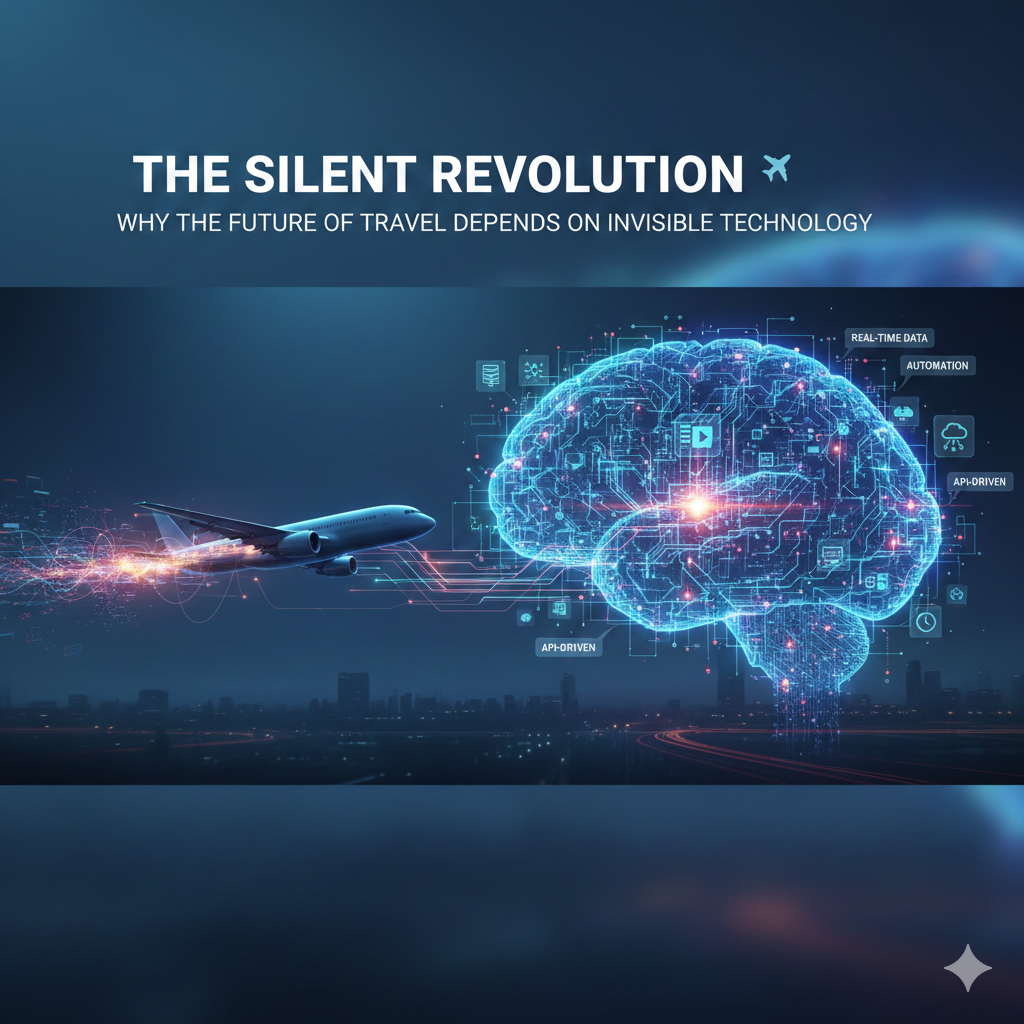
Its API-driven architecture ensures:
-
Accurate real-time data
-
Instant ticketing and cancellations
-
Visibility across all departments
-
Secure, centralized booking flows
-
Consistent approval and policy systems
By using one platform for all corporate travel, companies gain the control they need to keep people safe—while still enabling flexible, modern business travel.
Final Thought: Safe Travel Is Smart Travel
Duty of Care is more than a responsibility—it’s a reflection of how much a company values its people.
Modern travel platforms give businesses the tools to support employees before, during, and after every trip. With centralized booking, connected systems, and real-time visibility, companies can ensure that every journey is safe, predictable, and well managed.
The future of corporate travel isn’t just efficient. It’s responsible. And Trip Gate is built for both.